
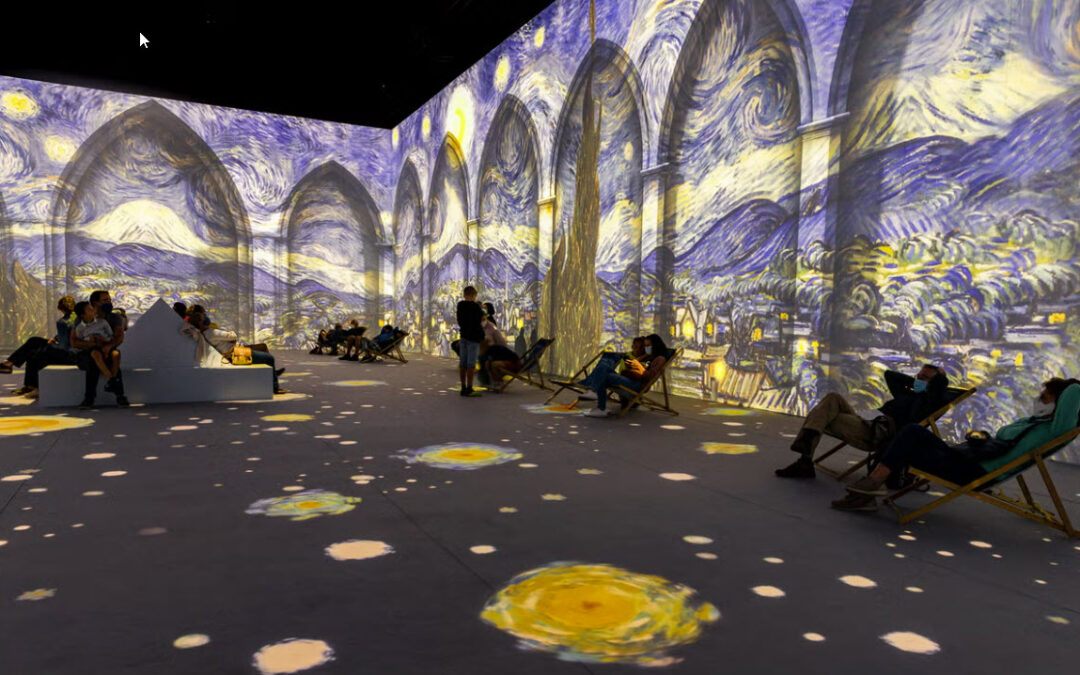
There’s something happening in the Bay Area art scene that you don’t just see. You feel it. In studios, galleries, and community pop-ups from Oakland to Marin, artists are stepping away from the smooth and polished and leaning into something richer, more tactile, and more alive. This is textured art.
Whether it’s thick layers of paint, recycled materials shaped into abstract forms, or sculpted canvases that pull you closer, textured art brings depth back into the creative conversation. It speaks to both the eye and the body.
What Is Textured Art?
Textured art focuses on the physical surface of the work. It invites you to engage not just with color and composition, but with material and movement. Artists use everything from palette knives and heavy-bodied acrylics to sand, rope, torn paper, and found objects to build dimension and create pieces that seem to rise off the wall.
This kind of work doesn’t chase perfection. It’s about presence. It’s honest. It’s raw. Every layer and groove adds a piece to the story the artist is telling.
Why It Speaks to the Bay Area
In a place where creative freedom and bold expression are part of everyday life, textured art fits naturally. The Bay Area has long been a home for artists who challenge the surface and go deeper. Textured art does exactly that.
Many artists in the region use it to explore memory, identity, and environment. Others use texture to show struggle, growth, or healing. The materials become more than tools—they carry meaning. Some work with recycled items to raise questions about waste and sustainability. Others use organic materials to connect with nature.
In every case, the texture adds weight and presence. It slows you down. It draws you in. And in a world that often moves too fast, that matters.
Where to Experience It
You can find textured art across the Bay, often in unexpected places. Here are a few local spaces that consistently highlight work rooted in material and depth:
- The Compound Gallery (Oakland) – Features bold mixed-media artists who work with unconventional surfaces and structures.
- Museum of Craft and Design (San Francisco) – Focuses on the relationship between design, materials, and modern expression.
- Creativity Explored (Mission District) – Highlights the expressive, layered work of neurodiverse artists.
- SOMArts Cultural Center (San Francisco) – Hosts exhibitions that often incorporate sculpture, collage, and textured storytelling rooted in culture and activism.
These spaces offer more than just visuals. They give you a chance to experience what happens when artists speak through surface and structure.
You Can Try It Too
One of the best things about textured art is that you don’t need to be trained to start. You just need curiosity and a willingness to get your hands into the process.
Start with:
- A thick acrylic base and a palette knife
- Layers of fabric, paper, or twine
- Glue and natural textures like leaves, pebbles, or sand
- Reused materials from around your home or neighborhood
Textured art can be slow, messy, and deeply satisfying. It doesn’t rush you. It invites you to make meaning from what you feel, not just what you see.